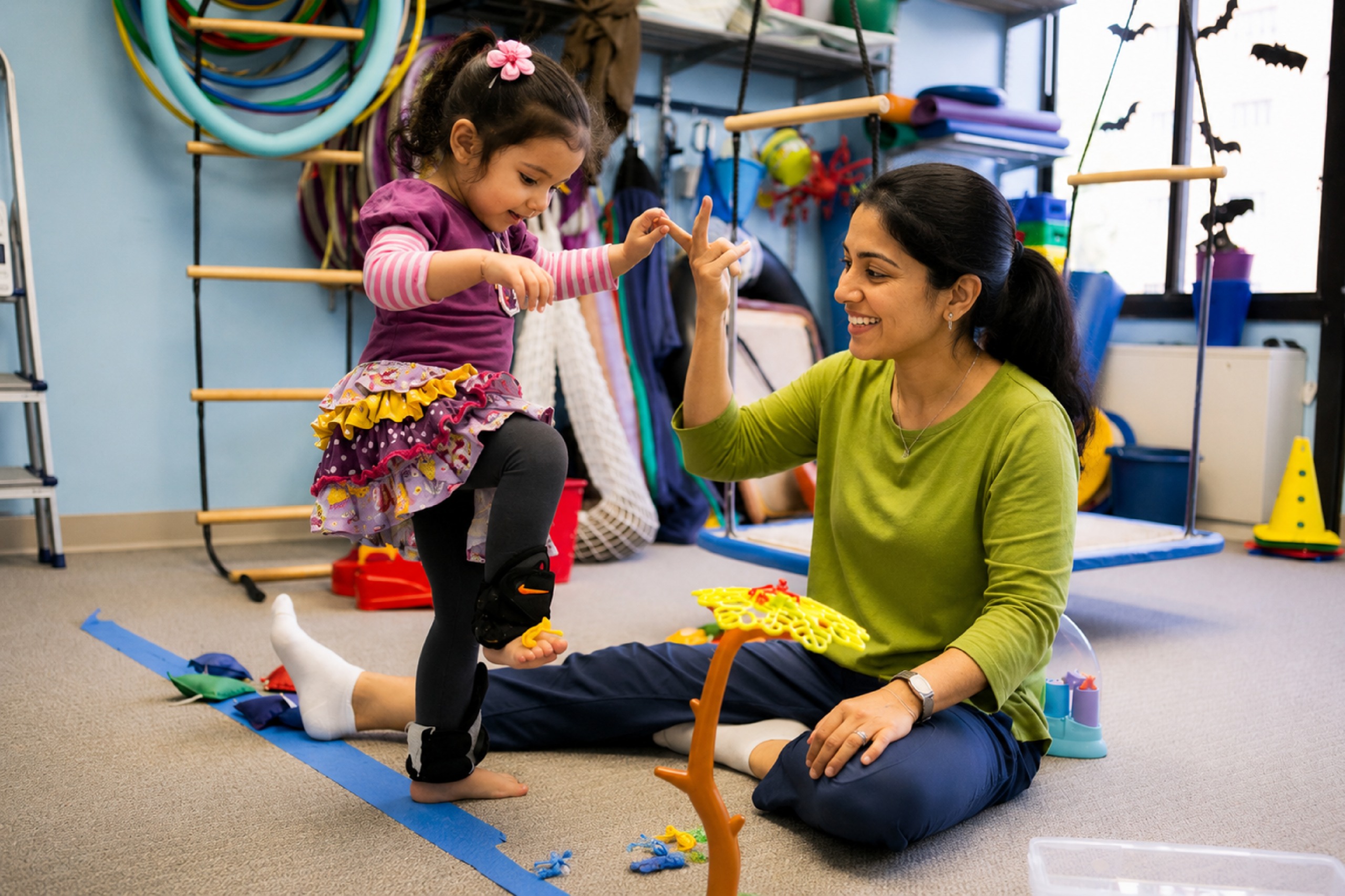
At Blossom Valley Therapy Centre, every child is carefully assessed to understand their strengths, developmental needs and areas requiring additional support. Based on these findings, therapists develop personalized intervention plans that promote steady progress while helping children reach their fullest potential.
What Is Developmental Therapy?
Developmental Therapy is a structured, child centred intervention designed to improve skills across multiple developmental domains. Rather than focusing on a single area, it addresses communication, cognitive development, motor skills, social interaction, emotional regulation and daily living abilities through engaging, age appropriate activities.
The primary objective is to help children become more independent while improving their ability to participate confidently at home, school and within the community. Therapy sessions are individualized because every child's developmental journey is unique.
Why Early Developmental Delay Treatment Matters
The early years of childhood are critical for brain development. During this period, children develop foundational skills that influence future learning, communication and social relationships.
Beginning Developmental Delay Treatment as early as possible can help:
- Improve speech and communication
- Enhance motor coordination
- Develop social interaction skills
- Strengthen cognitive abilities
- Encourage independence
- Reduce future learning challenges
- Build confidence in everyday activities
Early intervention also provides families with practical guidance, allowing them to actively support their child's development beyond therapy sessions.
Areas Supported Through Developmental Therapy
Comprehensive Developmental Therapy focuses on helping children achieve progress across several developmental areas.
Communication and Language
Children learn to express their needs, understand instructions, improve vocabulary and develop meaningful communication skills that support everyday interactions.
Cognitive Development
Activities encourage memory, attention, reasoning, problem solving and early learning skills that prepare children for academic success.
Motor Development
Therapy supports both fine and gross motor skills, helping children improve balance, coordination, posture, handwriting readiness and participation in physical activities.
Social and Emotional Growth
Children develop confidence, emotional regulation, cooperation and appropriate social behaviours through structured play and guided interactions.
Daily Living Skills
Therapists help children build independence in activities such as dressing, feeding, personal hygiene and following daily routines.
A Personalized Approach to Developmental Delay Treatment
Every child has different developmental strengths and challenges, making individualized intervention essential.
At Blossom Valley Therapy Centre, therapists begin with comprehensive developmental assessments before creating personalized therapy goals. These goals are realistic, measurable and regularly reviewed to ensure children continue progressing at a comfortable pace.
As children achieve milestones, intervention plans are adjusted to introduce new learning opportunities that encourage continuous growth and independence. This flexible approach helps maximize each child's developmental potential.
A Multidisciplinary Approach for Better Outcomes
Children with developmental delays often benefit from support across multiple areas rather than a single therapy service.
Depending on individual needs, Developmental Therapy may be combined with:
- Speech and language therapy
- Occupational therapy
- Behavioural therapy
- Special education
- Psychological assessment and counselling
- Sensory integration therapy
By integrating different therapeutic disciplines, children receive comprehensive support that addresses all aspects of their development while promoting consistent progress.
The Role of Parents in Developmental Delay Treatment
Parents and caregivers play an essential role in helping children apply newly learned skills outside the therapy environment.
Therapists work closely with families by providing practical strategies, home based activities and regular progress updates. Everyday routines such as mealtimes, playtime, dressing and community outings become valuable opportunities for reinforcing therapy goals.
When therapy and home environments work together, children are more likely to generalize new skills and maintain long term developmental progress.
Signs That a Child May Benefit from Developmental Therapy
Although every child develops differently, parents should consider professional assessment if they notice persistent delays in:
- Speaking or understanding language
- Walking, running or maintaining balance
- Fine motor skills such as holding objects
- Social interaction or eye contact
- Following simple instructions
- Learning age appropriate concepts
- Self care and daily routines
Early assessment allows intervention to begin before developmental challenges significantly affect learning and independence.
Long Term Benefits of Developmental Therapy
The goal of Developmental Therapy extends beyond achieving developmental milestones. It helps children develop lifelong skills that improve overall quality of life.
With consistent intervention, children may experience improvements in:
- Communication abilities
- Learning readiness
- Emotional confidence
- Social participation
- Daily independence
- School performance
- Problem solving abilities
- Overall functional development
These improvements allow children to participate more actively in family life, education and community activities while building confidence for future success.
Why Choose Blossom Valley Therapy Centre?
Blossom Valley Therapy Centre provides evidence based Developmental Delay Treatment through a multidisciplinary team of developmental paediatricians, speech therapists, occupational therapists, psychologists, behavioural therapists and special educators. Every intervention plan is personalized to address each child's developmental profile while encouraging meaningful progress across communication, learning, behaviour and daily living skills.
With a child centred approach, modern therapeutic techniques and strong family involvement, Blossom Valley Therapy Centre is committed to helping every child achieve greater independence and reach their developmental potential.